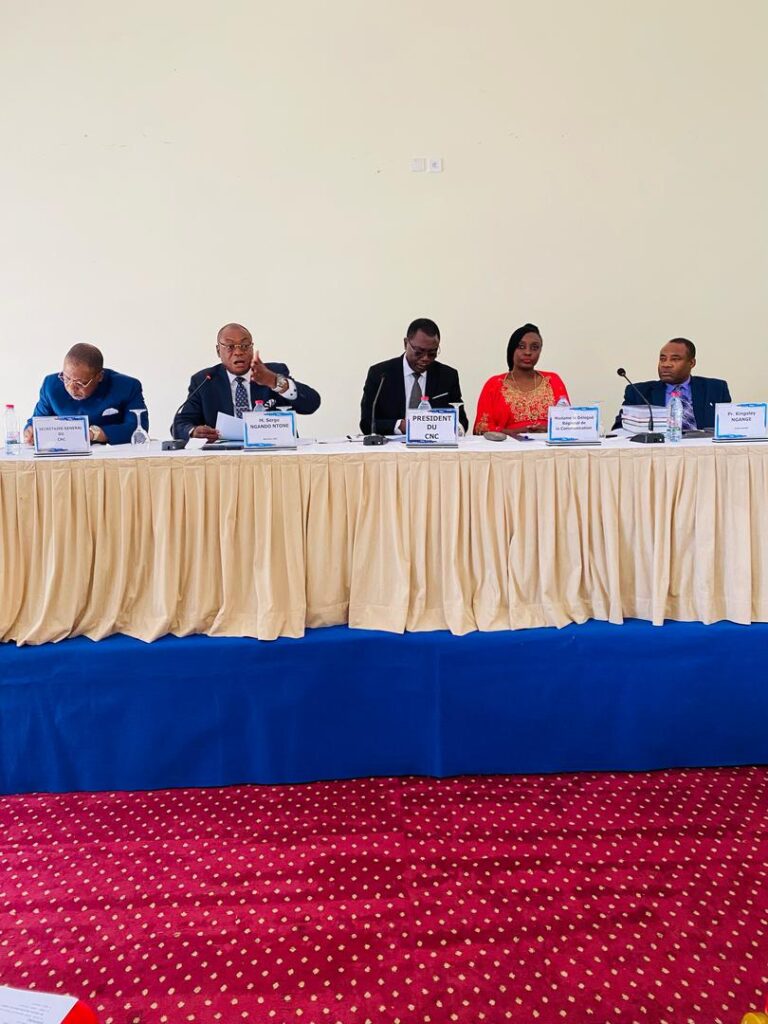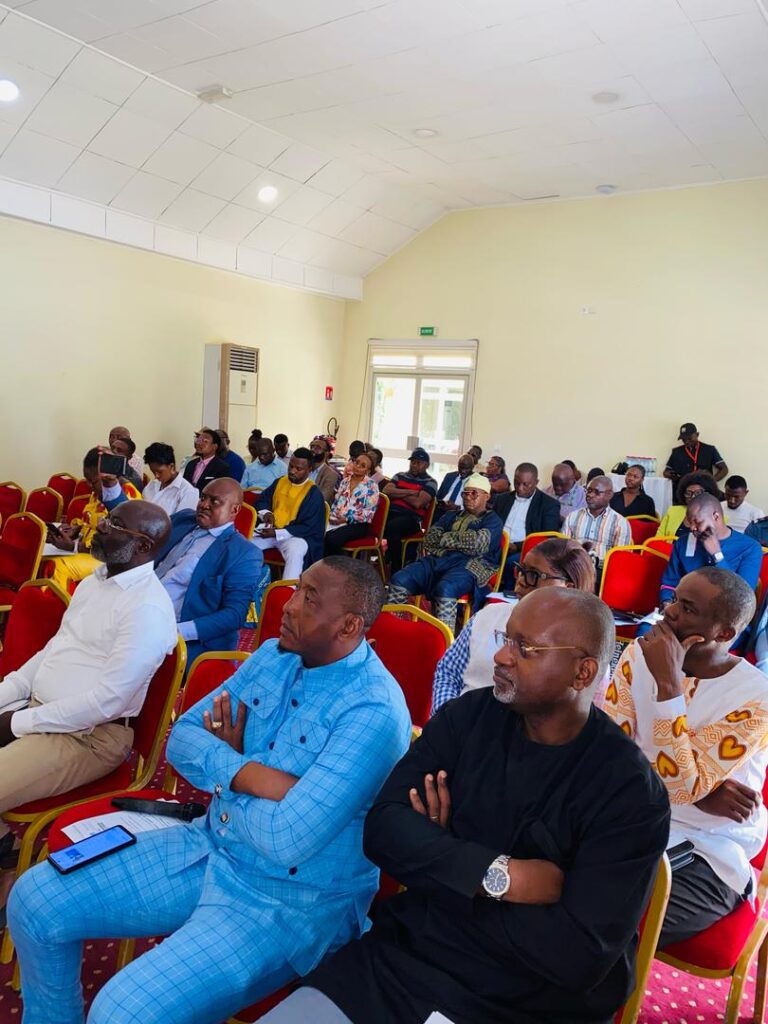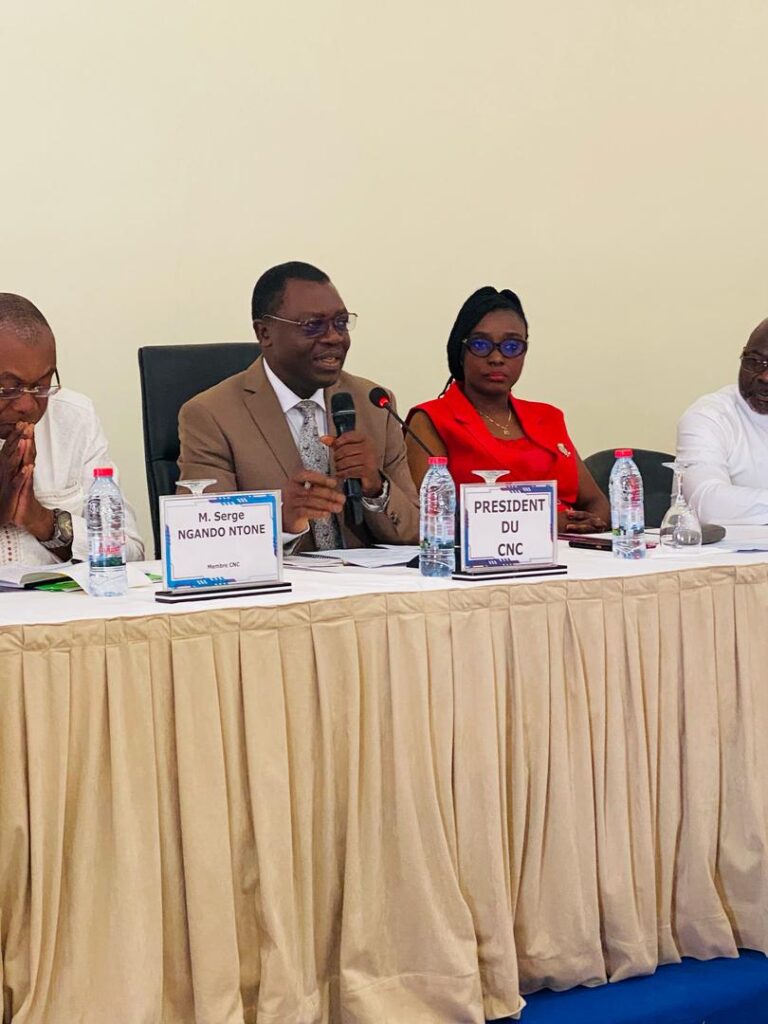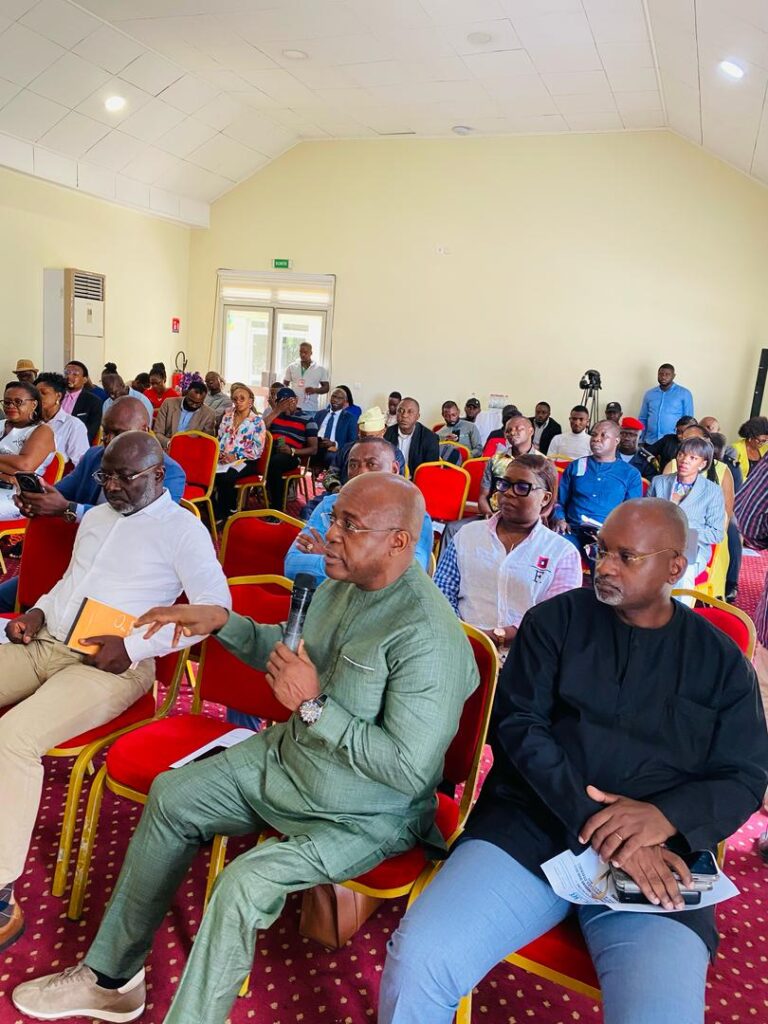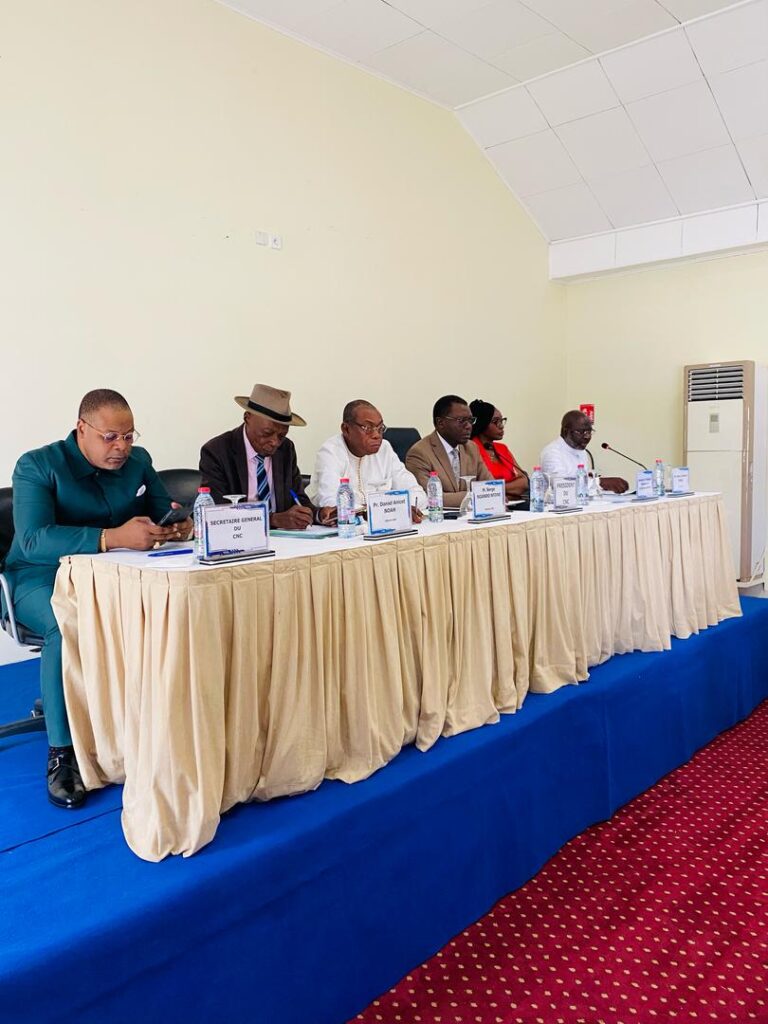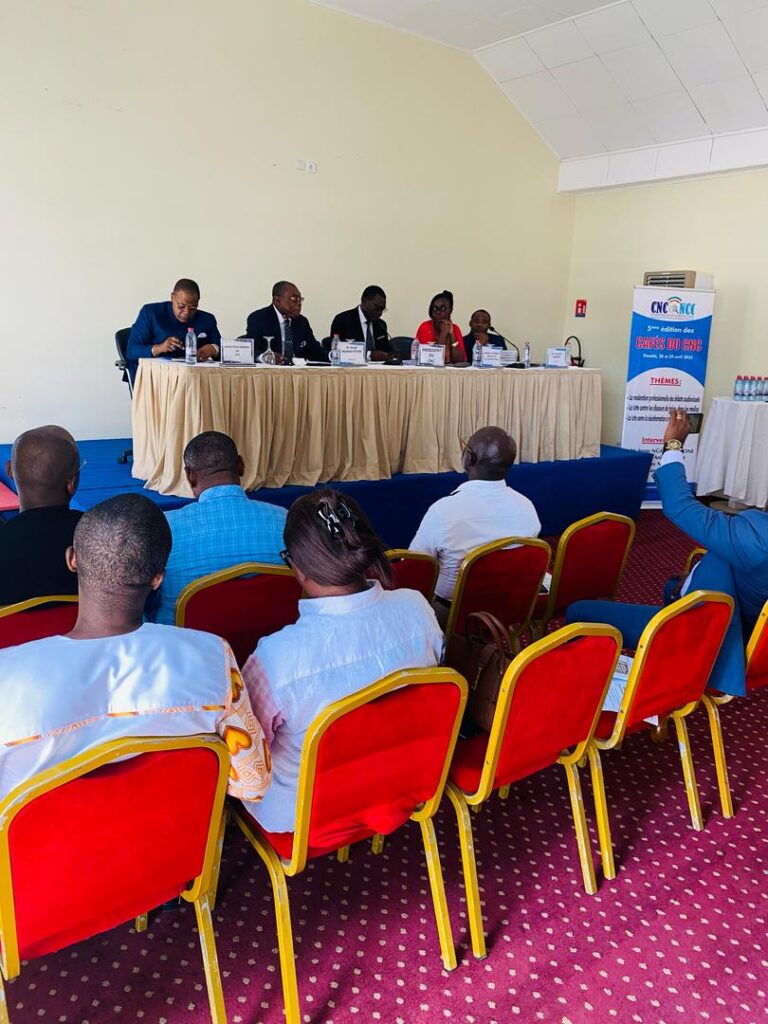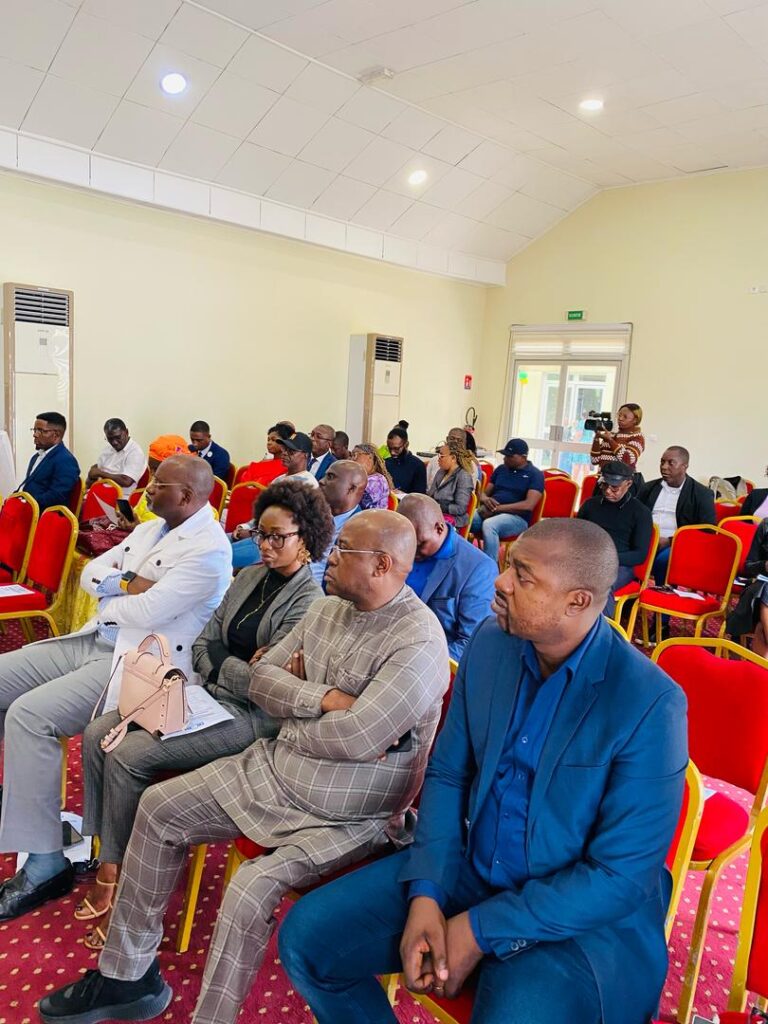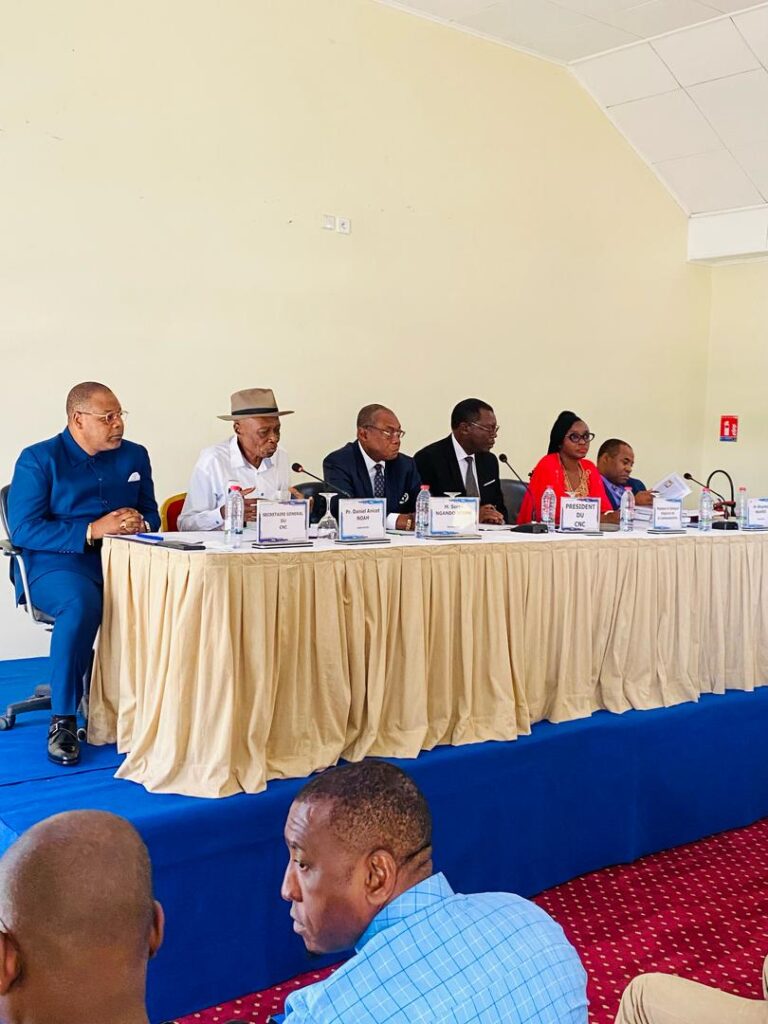


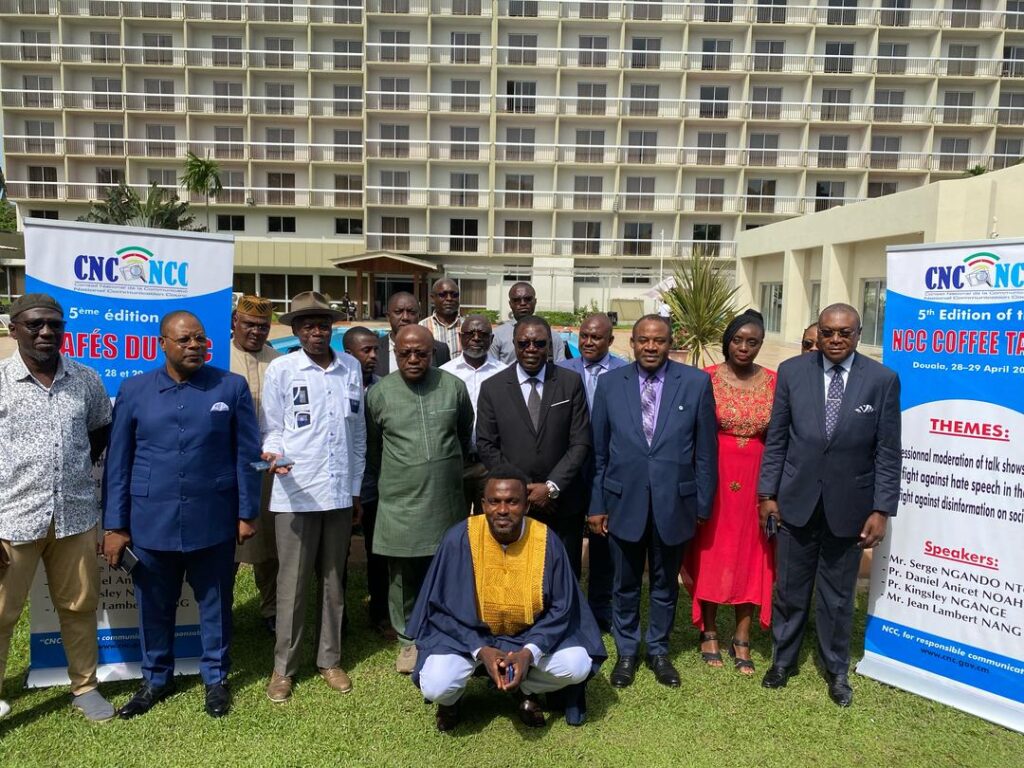
A delegation from the National Communication Council (NCC), led by its President Joseph Chebongkeng Kalabubsu, successfully held its 5th edition of “NCC Coffee Talks” event with media professionals in Douala from April 28 to 29, 2025. The two-day conference provided a platform for open dialogue aimed at addressing the key challenges facing the media profession in Cameroon.
The sessions took place at Sawa Hotel and brought together an array of influential figures, including a member of the Council, the Secretary General, and the Regional Delegate for Communication, social communication experts, media executives, and professionals. In his opening remarks, President Chebongkeng expressed his heartfelt gratitude for the large turnout of media professionals and acknowledged their commitment to engaging in discussions vital to the development of the sector.
The key themes discussed during the concertation revolved around several critical themes impacting the media landscape. Among the most notable topics were: moderation of talk shows and debates, combating hate speech in the media, and fighting disinformation on social media.
The discussions were divided into four main working sessions, all of which were moderated by President Joseph Chebongkeng Kalabubsu. To ensure that media professionals in Douala benefit from diverse expertise, a number of seasoned experts took to the floor to share their insights, including Counselor Serge Ngando Ntone, Prof. Kingsley Ngange, Prof. Daniel Anicet Noah, Mr. Jean Lamber Nang, and Mr. Napoléon Bonaparte Bessong.
Other topics aboded were: The dos and don’ts of editorial content, journalistic neutrality and objectivity, balancing information and live interactive programmes
At the conclusion of the two-day event, several recommendations were made to strengthen the media sector. These included:
To reinforce journalistic ethics, media professionals were urged to adhere to strict ethical guidelines in their reporting to foster credibility and trust.
In order to improve the moderation of audiovisual debates, there is a need to enhance the quality of audiovisual debates so they are more informative and engaging. The presenter should have a hold on his panel by keeping his guest in check in the case of diversion.
More so, to combat hate speech, there was a strong call to eliminate hate speech in all forms, whether based on violence, tribalism, regionalism, sexism, or xenophobia within the media space.
To fight disinformation on social media in the digital age, journalists should receive continuous training on fact-checking techniques and build partnerships with institutions specialized in combating fake news.
Enhancing media coverage of elections. Social communications experts stressed on the importance of fair and impartial media coverage during the upcoming elections. Media outlets must ensure equal air time for all political parties, thereby promoting transparency and fostering a smooth electoral process.
And lastly, it was recommended that the NCC should continue to engage with media professionals through regular dialogue to foster a deeper understanding of media ethics and professionalism.
In his closing address, President Joseph Chebongkeng urged media professionals to adopt practices that contribute positively to the media landscape. By doing so, they will play a pivotal role in promoting social peace and national integrity. The ongoing collaboration between the NCC and media professionals, he noted, is essential for building a more informed, ethical, and resilient media environment.
|